
SEO blog articles, written for you from $39 a month
One keyword-researched article a month, written for your customers and delivered ready to publish, with the SEO title, meta description and images already done.
- Topics and keywords researched for you
- SEO pack and images with every article
- No contracts, cancel anytime


Trusted by 1,000+ businesses
Read one before you buy
Six example articles, written exactly the way we write for clients. Tap any one to read it in full, alongside its SEO pack and a preview of how it looks in Google.
 1,000 words
How much does a new boiler cost in Leeds? Our 2026 price guide
Hartwell Heating, Leeds
 500 words
Is teeth whitening safe? What we tell our patients
Northgate Dental, Harrogate
 500 words
Balayage vs highlights: which one should you book?
Bloom & Birch, Bath
 1,000 words
What to fix before selling your house, and what to leave alone
Kingsley Rowe, Bristol
 1,500 words
Strength training over 40: how to start, and what your first 12 weeks look like
Ironside Strength, Sheffield
 1,500 words
Do you need planning permission for a garden room?
Oakline Garden Rooms, Surrey
Why a blog is still worth having
Every article is another page on your website that can turn up when someone searches. Here is what that does for a business.
Found by people who do not know you yet
Most people start with a question, not a business name. An article that answers it puts you in front of customers who have never heard of you.
More ways into your website
A site with ten pages can only turn up for so many searches. Each new article gives Google another page it can show, for another set of questions.
It keeps working for years
An article published this spring can still be bringing people to your site next winter. Unlike an advert, it does not stop the day you stop paying.
Shows you know your stuff
A clear, useful answer does more to build trust than any sales line. People arrive already feeling they know how you work.
Answers questions before they are asked
Send an article to an inquiry, add it to a newsletter or link it on your socials. The questions you answer every week, answered once and properly.
Something for AI search to quote
Google's AI answers and tools like ChatGPT pull from clear, helpful pages. A well written article gives them something of yours to point to.
More than just the words
Every article arrives as a Word document with everything you need to publish it properly, not just a page of text.
From topic to ready to publish
The same process every month, so every article is researched, written and checked properly before it reaches you.
We suggest a topic, or you send your own
Each month we research what your customers are searching for and suggest a topic built around a keyword you have a realistic chance of ranking for. Got your own idea, or a question a customer asked this week? Send it through your client portal and we will write that instead.
A dedicated writer writes it
Your dedicated writer writes the article around your business, your area and the way you work. You keep the same writer every month, so they get to know your services, your prices and your tone.
An editor checks it
Before it reaches you, an editor checks every article for accuracy, spelling and readability, and makes sure the SEO pack matches the article. Two people sign off on every piece.
It lands ready to publish
You receive a Word document with the article, the SEO pack and the images. Paste it into your website, add the title and description, and it is live. Want something changed? Every article comes with two rounds of revisions.
Not sure how to add it to your website? Adding a blog post in WordPress, Wix, Squarespace or Shopify takes around ten minutes, and the document is laid out in the same order your website asks for it. If you get stuck, ask us and we will talk you through it.
Never short of something to write
A different kind of article each month, chosen around what your customers are searching for.
How to guides
Step by step help with a job your customers want to understand.
Price guides
"How much does it cost?" is one of the most searched questions in any trade.
Comparisons
This or that, explained properly, so people can choose with confidence.
Local guides
Written for your town or area, which is where most local searches start.
Questions answered
The things customers ask you every week, answered once and properly.
Seasonal advice
Timed for the moments your customers start thinking about you.
Mistakes to avoid
Useful warnings that show you know the job inside out.
Project stories
A job you are proud of, written up so others can picture theirs.
Got something coming up, like a new service or a seasonal offer? Tell us in your client portal with around 14 days notice and we will plan an article around it.
Blog article pricing
One article a month at the length you choose. No contract, cancel anytime. Every other add-on sits on our pricing page.
Every article includes
- Topic and keyword research
- SEO title and meta description
- URL slug and focus keyword
- Images with alt text
- Written by your own dedicated writer
- Checked by an editor
- Two rounds of revisions
- Delivered as a ready to publish Word document
Nothing to sign. Upgrade, downgrade, pause or cancel anytime with 14 days notice before your renewal. Our 14-day money-back guarantee covers our organic posting plans, and add-ons like blog articles are not included.
Prefer to pay up front? Pay for five months and get the sixth free.
Your blog, shared on your socials
You can buy blog articles on their own, and plenty of businesses do. Add them to a posting plan and each one gets a social post of its own.
Publish the article.
We will tell your followers.
Once your article is live on your website, send us the link through the suggest ideas form in your client portal. We will create a post promoting it and add it to your upcoming batch, so your followers see it too.
This is included when blog articles are added to one of our posting plans, which start at $129 a month for 10 posts.
Every other option asks more of you
A useful article every month costs you something either way: your money, your evenings, or a contract you cannot get out of. Here is how the options compare.
Bar length shows the overall commitment each option needs from you: cost, your time, and how locked in you are.
Subscription benefits
Simple, flexible and affordable content creation, designed to grow your business without the typical agency headaches.
Client portal access
Share ideas, send topics and manage your account in one place from day one.
Fast turnaround
Your first article is typically ready within five business days of signing up.
Topics planned for you
We research and suggest a topic every month, so you never have to think of one.
Written in your voice
Your services, your prices and your area, so every article sounds like your business.
Transparent billing
One predictable monthly price, with no setup fees, no hidden extras and no surprises.
Flexible and scalable
Upgrade, downgrade or cancel anytime with 14 days notice before your renewal.
Share ideas easily
Send us a question a customer asked or a job you are proud of and we will write about it.
Unique and yours
Every article is written for your business and is 100% yours to publish, reuse and keep.
Email and video support
Real people on email and video call whenever you need a hand or want to talk ideas.
What our clients say
We have simplified marketing for more than 1,000 businesses.
Blog article questions
How the blog service works. Billing, plan changes and every add-on price are answered on the pricing page.
One article a month at the length you choose: 500, 1,000 or 1,500 words. It arrives as a Word document with the article itself, an SEO title and meta description, a URL slug, the focus keyword and a few related ones, and images with alt text written for each. Everything you need to publish it properly is in one place.
We do the thinking for you. Each month we research what your customers are searching for and suggest a topic. If you would rather choose, send your own idea through your client portal and we will write that instead. Plenty of our best articles start with a question a customer asked.
We use SEO research tools to find what people in your area and your industry are searching for, then pick terms you have a realistic chance of ranking for. A small local business is unlikely to beat a national brand for a broad term, but it can do very well on the specific, local questions that bring in customers.
Your own photos come first, because a picture of your work or your premises does more for you than any stock image. Upload them to your client portal at any time. When there is not a suitable photo of yours, we choose a licensed image instead. Every image comes with alt text, which helps Google understand it and helps visitors who use screen readers.
That is the aim. Your dedicated writer writes every article, and you keep the same writer each month, so they get to know your services, your prices and the way you talk to customers. The more you share with us through your client portal, the more each article sounds like you.
Every article is written by your own dedicated writer and checked by an editor before it reaches you. We use AI to speed up parts of our workflow, such as research and planning, which is part of how we keep the price where it is. You always have the final say, and you can change how AI is used, or not used, on your account at any time.
Yes. Every article comes with two rounds of revisions. Just tell us what you would like changed through your client portal.
Usually within five business days of signing up. After that, a new article arrives every month.
No, you publish it yourself, which keeps you in control of your website and means we never need your login. The document is laid out in the order your website asks for it, and adding a post in WordPress, Wix, Squarespace or Shopify takes around ten minutes. If you get stuck, ask us and we will talk you through it.
SEO is a long game. Google can take weeks to find and rank a new article, and most businesses see search traffic build over several months of publishing regularly rather than straight away. The articles keep working long after they are published, which is why consistency matters more than any single piece.
No, and nobody honestly can. Rankings depend on your website, your competitors and Google itself. What we can promise is well researched, useful articles built around real searches, which is what gives you the best chance of ranking over time.
If you have blog articles added to one of our posting plans, yes. Once your article is live on your website, send us the link through the suggest ideas form in your client portal and we will create a post promoting it in your upcoming batch. Blog articles bought on their own do not include social posts.
Yes. Every article is written for your business, is never reused for anyone else, and is yours to publish, edit and keep, including after you cancel. Use them on your website, in your newsletters or anywhere else you like.
No. Blog articles can be bought on their own from $39 a month. If you do have a posting plan, adding blog articles means each one gets a social post of its own too.
Yes. Upgrade, downgrade, pause or cancel anytime with 14 days notice before your renewal, straight from your client portal. There is no contract to sign. Our 14-day money-back guarantee covers our organic posting plans rather than add-ons like blog articles, and you can find the full detail on our pricing page.
Get found for the questions
customers ask
Pick a length, sign up in a couple of minutes, and your first article arrives within five business days. No contract, cancel anytime.
How it looks in Google
What does a new boiler cost in Leeds in 2026? Real installed prices for combi, system and regular boilers, and the things that push a quote up.
The SEO pack
- SEO title 53 characters
- New Boiler Cost in Leeds: 2026 Price Guide | Hartwell
- Meta description 143 characters
- What does a new boiler cost in Leeds in 2026? Real installed prices for combi, system and regular boilers, and the things that push a quote up.
- URL slug
/new-boiler-cost-leeds- Focus keyword
new boiler cost Leeds- Related keywords
- combi boiler priceboiler replacement Leedsboiler installation cost
- Length
- 997 words, about a 5 minute read
- Images
- 2, each with alt text
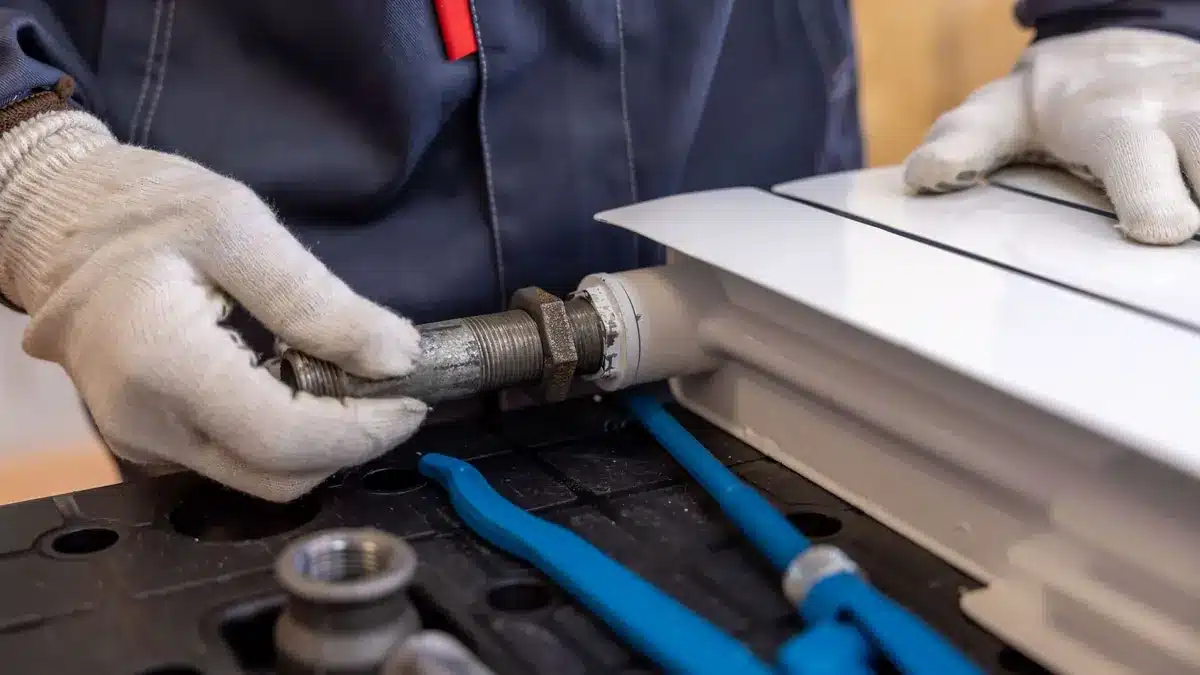
Alt text Heating engineer connecting pipework to a radiator during a boiler installation in Leeds
How much does a new boiler cost in Leeds? Our 2026 price guide
Most people who search this want one number, so here it is. The combi boiler swaps we fitted across Leeds this year mostly came in between £2,300 and £3,200, fully installed. System and regular boilers usually cost more, anywhere from £2,800 to £4,500.
That is a wide range, and there is a reason for it. The boiler itself is often less than half the bill. The rest is labour, parts and whatever your existing system needs to keep a new boiler healthy. Below is what actually moves the price, so you can read a quote and judge whether it is fair.
Typical installed prices in Leeds
- Like for like combi swap, same position: £2,300 to £3,200
- Combi moved to a different room: add £400 to £900
- Regular or system boiler converted to a combi: £3,200 to £4,500
- System boiler with a new hot water cylinder: £3,500 to £5,000
- Regular (heat only) boiler replacement: £2,800 to £4,000
These are our own figures from jobs across LS postcodes, VAT included. National price guides often quote lower numbers because they leave out the system clean, the filter or the new flue, which are rarely optional.
What pushes the price up
The type of boiler your house needs
A combi heats water as you use it, so there is no tank in the loft and no cylinder in the airing cupboard. It suits most homes with one bathroom. If you have two bathrooms that often run at the same time, a system boiler with a cylinder copes far better. We will tell you if a combi will struggle in your house rather than fit one that runs cold whenever two showers are on.
Moving the boiler
Every extra metre means more pipework, and a new position may need a new flue route through an outside wall. In the back to backs around Harehills and Armley the boiler often lives in a kitchen cupboard with the flue going out through the only external wall, which limits where it can go.

Alt text Engineer tightening a pipe fitting under the floor while replacing a boiler
The size of your gas pipe
Modern combis draw more gas at full power than the boilers they replace. Plenty of older homes have a 15mm gas supply that is too narrow, and upgrading to 22mm adds roughly £150 to £400 depending on the length of the run. A Gas Safe engineer should check this at the survey. If a quote does not mention it, ask.
The state of your radiators and pipes
Older systems collect black sludge, which clogs a new boiler's heat exchanger surprisingly quickly. Boiler manufacturers expect the system to be cleaned and a magnetic filter fitted, and skipping either can put the warranty at risk. A chemical flush is included in all of our prices. A full powerflush, needed on badly blocked systems, adds £400 to £600.
The brand and the warranty
Worcester Bosch, Vaillant, Viessmann and Ideal make up most of what we fit. Some manufacturers offer warranties of ten years or more when an accredited installer fits the boiler. Budget models can save you £300 to £500 up front, but they tend to come with shorter cover, so compare the price per year of warranty rather than the price on the day.
What a proper quote should include
- Removing and disposing of your old boiler
- A new flue, not a reused one
- A system clean and a magnetic filter
- Controls that meet the Boiler Plus rules. In England a new combi must come with a timer and thermostat, plus one extra energy saving feature such as weather compensation or a smart thermostat
- Registering the installation with Gas Safe, which notifies building control for you
- Registering the manufacturer's warranty
If any of these are missing, the cheaper quote usually is not cheaper. It just moves the cost to later.
How long does a new boiler take to fit?
A like for like combi swap is usually a one day job. We start around 8am, and you should have heating and hot water back by the evening. Moving a boiler, or converting from a system with tanks in the loft to a combi, normally takes two to three days, because pipework has to be rerouted and old tanks removed.
You will be without heating and hot water for at least part of that time, so we always agree the dates with you first. If anyone at home is elderly, unwell or has a young baby, tell us at the survey and we will plan around them.
One practical tip: if your boiler is limping along, replace it in the summer. Engineers are easier to book, and you are not waiting for a slot in January with no heating.
Is it worth repairing instead?
Sometimes. If your boiler is under ten years old and the fault is a single part, a repair is normally the sensible call. Once a boiler passes 12 to 15 years, parts get harder to find and each repair buys you less time. Our rule of thumb: if a repair costs more than £400 on a boiler that age, put that money towards a replacement instead.
What about a heat pump?
We get asked this on most surveys now. Heat pumps work well in homes with decent insulation and room for a cylinder, and a government grant can take a large chunk off the price. They are a harder fit for many Leeds terraces, where outdoor space is tight and radiators are small. We install both, and we will tell you plainly which suits your house.
Get a fixed price for your home
Every home is different, which is why we never quote over the phone. Book a free survey anywhere in Leeds and one of our Gas Safe engineers will come out, check your gas supply, flue and system, and send you a fixed written price within 24 hours. No deposit, and the price you see is the price you pay.
How it looks in Google
Is teeth whitening safe for your enamel? A Harrogate dentist on what is legal in the UK, why sensitivity happens and who should wait.
The SEO pack
- SEO title 55 characters
- Is Teeth Whitening Safe? A Dentist Explains | Northgate
- Meta description 133 characters
- Is teeth whitening safe for your enamel? A Harrogate dentist on what is legal in the UK, why sensitivity happens and who should wait.
- URL slug
/is-teeth-whitening-safe- Focus keyword
is teeth whitening safe- Related keywords
- teeth whitening Harrogateprofessional teeth whiteningwhitening sensitivity
- Length
- 493 words, about a 2 minute read
- Images
- 2, each with alt text
Alt text Patient in a dental chair smiling at her whiter teeth in a hand mirror
Is teeth whitening safe? What we tell our patients
Yes, when a dental professional does it with legal products. Nearly every whitening problem we see in Harrogate comes from something bought online or done by someone who should not be doing it.
What UK law says
Whitening gels containing more than 0.1% hydrogen peroxide can only be provided by a dentist, or by a dental hygienist or therapist working on a dentist's prescription. The legal maximum is 6%. They cannot be used on anyone under 18 unless it is to treat or prevent disease.
So if a beauty salon or a shopping centre stand offers "professional strength" whitening, it is either too weak to do much or being supplied illegally.
Will it damage my enamel?
Used properly, peroxide gels do not wear enamel away. They break down the stain molecules inside the tooth, and the surface stays intact. The damage we do see comes from abrasive whitening toothpastes scrubbed on hard, charcoal powders, and home hacks with lemon juice or bicarbonate of soda. Those strip the surface and can make teeth look more yellow over time as the layer underneath shows through.

Alt text Woman with a natural, bright smile after professional teeth whitening
Why teeth can feel sensitive
Some sensitivity during treatment is common, and it usually settles within a few days of stopping. It helps to:
- switch to a sensitive toothpaste two weeks before you start
- wear your trays for shorter spells at first
- tell us early, so we can adjust the gel or the timing
What about strips and kits from the chemist?
Kits sold legally over the counter can only contain up to 0.1% hydrogen peroxide. That is safe, but it is rarely strong enough to make a visible difference. Kits bought from overseas websites can contain far more, with no one checking your teeth and gums first. That is where the burns and damaged gums we sometimes see tend to come from.
How long do results last?
Usually a year or more, and often much longer with the occasional top up using your trays.
Who should wait
- Anyone with decay or gum disease. We treat that first.
- Pregnant or breastfeeding patients, who are usually advised to wait.
- Patients with crowns, veneers or fillings on their front teeth. These will not change colour, so they may need replacing afterwards to match.
How whitening works at Northgate
We start with a check up and a quick scan, then make trays shaped exactly to your teeth. You wear them at home with a prescribed gel for two to three weeks, and we see you again to check the result. Most patients stay happy with their shade for a long time with an occasional top up.
Coffee, tea, red wine and smoking will all bring staining back faster, so a little care goes a long way.
Thinking about it? Book a whitening consultation at our Harrogate practice and we will check your teeth first, then tell you honestly what shade is realistic for you.
How it looks in Google
Balayage or highlights? How the two techniques differ, how long each lasts between appointments and what they cost at our Bath salon.
The SEO pack
- SEO title 56 characters
- Balayage vs Highlights: Which Suits You? | Bloom & Birch
- Meta description 133 characters
- Balayage or highlights? How the two techniques differ, how long each lasts between appointments and what they cost at our Bath salon.
- URL slug
/balayage-vs-highlights- Focus keyword
balayage vs highlights- Related keywords
- balayage Bathfoil highlightslow maintenance hair colour
- Length
- 494 words, about a 2 minute read
- Images
- 2, each with alt text
Alt text Long brown hair with a soft hand painted balayage blended through the lengths
Balayage vs highlights: which one should you book?
It is the question we hear most at consultations, usually with a screenshot held up next to the mirror. Both techniques lighten your hair. The difference is how the lightener goes on, and that changes how your colour looks and grows out.
How highlights work
Highlights are woven into fine sections and wrapped in foil, starting right at the root. That gives a precise, even result and the most brightness. The trade off is regrowth: you will see a clear line after six to eight weeks, so most people book a top up around then.
How balayage works
Balayage is painted on by hand, with no foil or only a little. The colour sweeps down the hair, lighter towards the ends and softer near the root. Because there is no hard line, it grows out gently, and plenty of our clients go three or four months between visits.

Alt text Colourist painting lightener onto a client's hair at the salon
Balayage also works well on darker hair that you want to lift without it looking stripy or brassy.
Which one suits you?
Highlights tend to be the better choice if you:
- want brightness from root to tip
- have short hair, such as a pixie or a sharp bob
- want to blend grey all the way to the parting
Balayage tends to suit you better if you:
- have mid length or long hair with some movement
- want colour that still looks good at week twelve
- are going lighter gradually and do not want a big change in one go
Plenty of clients end up with a bit of both: fine foils around the face and parting, and painted colour through the lengths. There is no rule that says you have to pick one.
Cost and time at Bloom & Birch
Half head highlights start at £85 and a full head at £120. Balayage starts at £140, including a toner and blow dry. Allow two and a half to four hours, depending on length and how much lighter you want to go.
Looking after your colour
Whichever you choose, the first few weeks decide how long it looks fresh. Use a sulphate free shampoo, and a purple shampoo once a week if you have gone blonde, to keep brassy tones away. Put on a heat protector before straighteners or tongs every time, because heat fades toner quickly. Most clients also book a quick toner or gloss between colour appointments, which takes under an hour and makes the colour look new again.
Before your appointment
We need a skin allergy test at least 48 hours before any colour service, even if you have had colour elsewhere. It takes five minutes, so pop in whenever you are passing. Bring photos of colour you love and, just as useful, colour you do not.
Not sure which to book? Ask for a free consultation at our Bath salon and we will look at your hair in natural light and talk it through with you.
How it looks in Google
Which repairs are worth doing before you sell, and which are not? A Bristol estate agent on what buyers notice and what surveyors flag.
The SEO pack
- SEO title 53 characters
- What to Fix Before Selling Your House | Kingsley Rowe
- Meta description 135 characters
- Which repairs are worth doing before you sell, and which are not? A Bristol estate agent on what buyers notice and what surveyors flag.
- URL slug
/what-to-fix-before-selling-house- Focus keyword
what to fix before selling a house- Related keywords
- preparing a house for saleselling a house in Bristolimprovements before selling
- Length
- 973 words, about a 4 minute read
- Images
- 2, each with alt text
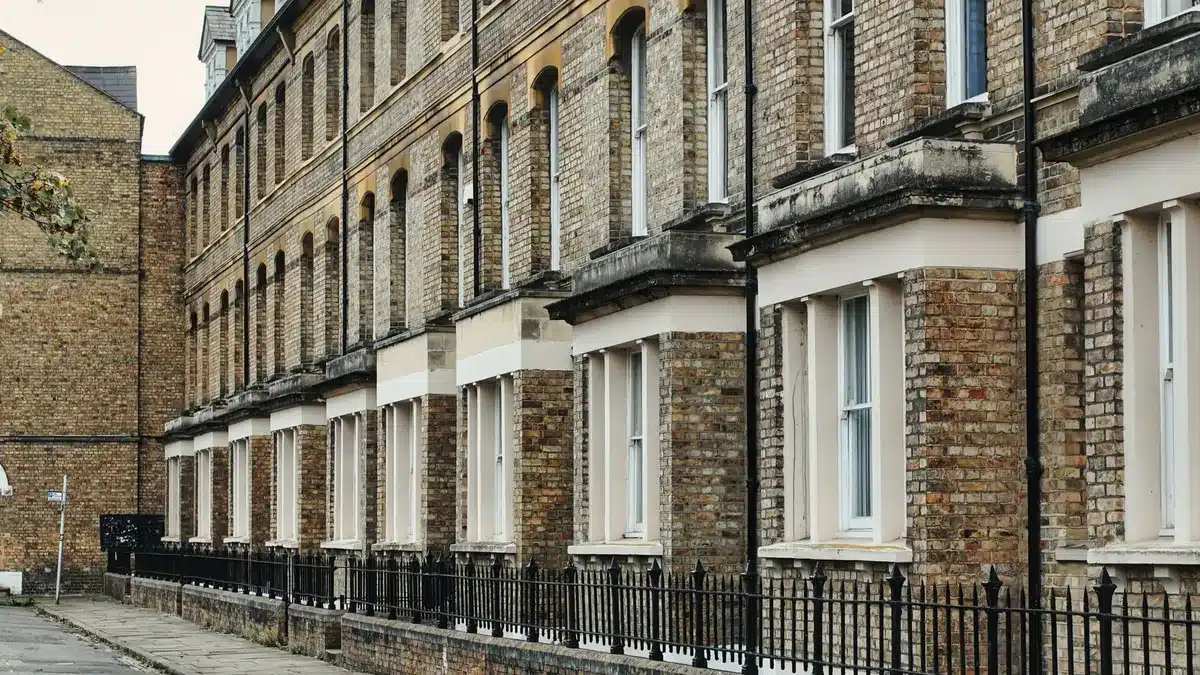
Alt text Row of Victorian terraced houses with bay windows and iron railings
What to fix before selling your house, and what to leave alone
Most months we value at least one house where the owner has just spent £15,000 on a new kitchen to help it sell. Occasionally it pays off. More often, buyers would have paid almost the same without it, and some of them plan to rip it out anyway.
After years of selling homes across Bristol, our advice comes down to one rule. Fix anything a buyer or a surveyor will notice as a problem. Skip anything a buyer would rather choose for themselves.
Worth fixing
Anything a surveyor will flag
Damp patches, slipped roof tiles, blocked gutters, cracked render and windows that will not open all end up in a survey report. Buyers then use that report to renegotiate, and a renegotiation almost always costs you more than the repair would have done.
In the Victorian terraces around Bedminster, Totterdown and Easton, the usual suspects are damp at the base of the rear wall, tired pointing and chimney stacks nobody has looked at in years. A local builder can check all three in an afternoon.
Small things that make a house feel neglected
None of these cost much, but together they tell a buyer the house has been looked after:
- dripping taps and running toilets
- cracked tiles and mouldy sealant around the bath
- loose door handles and sticking doors
- blown bulbs, including in the loft
- a wobbly banister
Paint
Fresh paint in the hallway and main living rooms is the cheapest way to improve your listing photos. It does not have to be magnolia. Warm whites and soft greys photograph well and let buyers picture their own furniture in the room.

Alt text Bright living room with freshly painted white walls and a wooden floor, ready for sale photos
The front of the house
Many buyers drive past before they book a viewing. Tidy the hedge, move the bins out of sight, clean the windows and give the front door a coat of paint if it needs one. It is the first photo on the listing, and it sets the tone for everything after it.
Declutter and deep clean
Buyers are not just looking at your house, they are working out whether their life will fit in it. Clear worktops, half empty wardrobes and a tidy loft all make a home feel bigger. If you are moving anyway, start packing now: boxes in the garage are better than clutter in the bedroom. Then book a proper deep clean before the photographer arrives, including windows, skirting boards and the oven.
The garden
Mow the lawn, cut back anything overgrown and sweep the patio. A couple of pots by the back door makes a small Bristol garden look cared for. You do not need to landscape it, just make it look like somewhere you would want to sit on a sunny evening.
Usually not worth it
A brand new kitchen or bathroom
Unless the room is genuinely unusable, you rarely get the money back. A deep clean, fresh grout, new cupboard handles and a replacement worktop get you most of the way for a fraction of the cost.
Starting an extension or conversion to sell
Building work takes longer than planned and leaves the house half finished when buyers visit. If there is clear potential for a loft or rear extension, consider getting plans drawn up or planning permission granted instead. Buyers can see what is possible without you taking on the build.
Very personal upgrades
A hot tub, a home cinema or bold wallpaper may be exactly what you love. To a buyer they can be something to remove, or a reason to offer less.
What if you cannot afford the repairs?
That is more common than people think, and it is not a reason to delay selling. A house with known issues can still sell well if the price reflects them. The key is honesty. Tell your agent everything you know about, so the asking price already accounts for it and nothing comes as a surprise at survey stage. Surprises are what kill sales, not problems buyers were told about upfront.
Paperwork matters too
Missing documents are one of the most common reasons sales slow down once an offer is accepted. Start gathering these now:
- building regulations sign off for any extension, loft or knocked through wall
- FENSA or equivalent certificates for replacement windows
- gas safety and boiler service records
- electrical certificates for any rewiring
- guarantees for damp proofing, a new roof or timber treatment
You also need a valid Energy Performance Certificate before your home goes on the market. If yours has expired, we can arrange one.
Photos and viewings
Once the work is done, keep it that way until the sale agreed sign goes up. Open the curtains, switch the lamps on and put the pet bowls away before each viewing. It sounds obvious, but a home that looks the way it did in the photos builds trust straight away. Viewers who feel misled by the listing rarely make an offer, however good the house is.
When to start
Give yourself six to eight weeks before you want to go live. That is enough time to get a builder round, sort the small jobs, paint and gather your paperwork without rushing. Spring and early autumn are the busiest times for Bristol buyers, so if you are aiming for either, start the work a couple of months before.
Get a valuation before you spend anything
The most useful thing you can do before picking up a paintbrush is to walk round the house with an agent. We will tell you which jobs are likely to affect your asking price and which ones buyers will not care about, and it will not cost you a penny.
Book a free valuation with Kingsley Rowe and we will give you an honest list of what to do first, room by room.
How it looks in Google
Starting strength training over 40? How often to train, the five movements that matter and what to expect in your first 12 weeks, from our Sheffield coaches.
The SEO pack
- SEO title 56 characters
- Strength Training Over 40: A Beginner's Guide | Ironside
- Meta description 157 characters
- Starting strength training over 40? How often to train, the five movements that matter and what to expect in your first 12 weeks, from our Sheffield coaches.
- URL slug
/strength-training-over-40- Focus keyword
strength training over 40- Related keywords
- weight training for beginners over 40gym Sheffieldlifting weights after 40
- Length
- 1,500 words, about a 7 minute read
- Images
- 2, each with alt text
Alt text Woman lifting a loaded barbell from the floor with a straight back during a deadlift
Strength training over 40: how to start, and what your first 12 weeks look like
At least once a week, someone walks into our Kelham Island gym and tells us they have left it too late. They are usually in their forties or fifties, often with a sore back, and they have never touched a barbell.
They have not left it too late. Several of our strongest members started after 50. What does change after 40 is how you should start, and that is what this guide is about.
We will cover why strength training matters more as you get older, how often to train, the handful of movements worth learning, and what a realistic first three months looks like. None of it needs you to be fit already, and none of it needs you to spend hours in the gym every week.
Why strength matters more after 40
Adults slowly lose muscle from their thirties onwards, and the pace picks up with age unless you give your body a reason to keep it. Less muscle means less strength for everyday things: carrying the shopping in one trip, getting up off the floor, lifting a suitcase into the overhead locker.
Bones follow a similar pattern, and for women the drop in bone density speeds up around the menopause. Lifting weights is one of the few things that works on both at once.
It is also why the UK Chief Medical Officers' guidelines recommend activities that strengthen your muscles on at least two days a week, on top of the usual advice to move more. Most people hit the walking target and miss this one entirely.
Before you start
You do not need to get fit first. That is what the training is for. If you have a heart condition, high blood pressure, a recent injury or you are unsure, speak to your GP before starting. Otherwise, the biggest risk is doing too much in the first fortnight and putting yourself off.
How often to train
Two or three sessions a week is plenty. Each one needs to last 45 to 60 minutes, including a warm up. Leave a day between sessions so your body has time to recover and adapt, because the recovery is when you actually get stronger.
If you can only manage two, that is fine. Two sessions a week, kept up for a year, will beat five a week that stop after a month.
Gym or home?
You can build real strength at home with a pair of adjustable dumbbells and a sturdy chair. The catch is that most people eventually run out of weight, and there is nobody watching your technique. A gym gives you room to progress for years, and a coach spots the small problems early, before they become sore knees or a stiff back. If you are nervous about walking into a gym, a small group class is the easiest way in.
The five movements that matter
You do not need thirty exercises. Almost everything useful is a version of five basic movements, and a good programme includes one of each:
- Squat. Sitting down and standing up. We usually start with a goblet squat to a box, holding one dumbbell at your chest.
- Hinge. Bending at the hips with a flat back, the way you should pick something up off the floor. A kettlebell deadlift is a good first version.
- Push. Pushing a weight away from you. Press ups against a bench, then a dumbbell press.
- Pull. Pulling a weight towards you. A seated cable row or a lat pulldown.
- Carry. Walking while holding something heavy. Farmer's carries with a dumbbell in each hand are simple and brilliant for grip, shoulders and posture.
Pick one exercise for each and you have a full body session. Everything else is detail.

Alt text Rack of dumbbells in a bright strength gym with members training in the background
Your first 12 weeks
Weeks 1 to 4: learning the movements
Use weights that feel almost too light. Do two or three sets of 8 to 12 repetitions, and finish each set feeling you could have done three or four more. You are learning the shape of each movement, and your tendons and joints are getting used to load. Some muscle soreness in the first fortnight is normal and fades quickly.
Weeks 5 to 8: adding weight
Once a movement feels smooth, start adding small amounts of weight. On lower body exercises that might be 2.5kg at a time, less on upper body. Write every session down, either in a notebook or on your phone. It is the simplest way to make sure you are progressing and not just turning up.
Weeks 9 to 12: building the habit
By now most people notice real changes. The stairs feel easier, their back aches less at the end of the day and the weights they started with feel light. This is also the point where life tends to get in the way, so have a plan for busy weeks: even one session keeps the habit alive.
What about cardio?
Keep doing it. Walking, cycling and swimming are all good for your heart, and none of them get in the way of getting stronger. The only thing to avoid early on is a hard run or spin class the day before a strength session, so your legs arrive fresh. Many of our members walk on the days in between and find it helps them recover.
How to tell it is working
The scales are the least useful measure here, because you may be losing fat and gaining muscle at the same time. Look at your training log instead. Are the weights going up? Look at everyday life: stairs, carrying the shopping, getting up off the floor after playing with the grandchildren. And notice how your clothes fit. Those changes usually show up well before the number on the scales moves.
A sample week
For most beginners, this is all it takes:
- Monday: squat, push, pull and carry. Two to three sets each.
- Wednesday: hinge, push, pull. Two to three sets each.
- Friday: repeat Monday, adding a little weight if last time felt easy.
- Other days: a 30 minute walk.
It is not complicated, and it is not meant to be. The people who get results are the ones who keep turning up to a sensible plan, not the ones with the cleverest programme.
Recovery matters more than it did at 25
Your body can still adapt brilliantly after 40. It just needs more help doing it.
- Sleep. Aim for seven hours or more. Poor sleep is the most common reason members stop progressing.
- Protein. Include a palm sized portion at every meal, rather than saving it all for dinner.
- Walking. Easy movement on rest days helps you recover faster than sitting still.
Common mistakes we see
Copying a programme written for someone half your age. Plans online are often written by and for people in their twenties who recover overnight. Fewer sets, done well, will get you further.
Chasing the number. Adding weight before the movement is right is how most gym injuries happen. The weight will go up much faster once your technique is solid.
Skipping the warm up. Five to ten minutes of easy movement and a few light sets of your first exercise is enough. It is not optional after 40.
Stopping when progress slows. After the first few months, progress gets slower for everyone. That is normal, not a sign that it has stopped working.
Aches versus injuries
A dull ache in the muscles you trained, a day or two later, is normal. Sharp pain during a lift, pain in a joint rather than a muscle, or pain that is getting worse over several sessions is not. Stop that exercise, tell your coach and, if it does not settle, see a physio. There is almost always a way to keep training around it.
What a first session looks like
If you have never lifted before, a first session is gentler than most people expect. It starts with ten minutes of easy movement to warm up. Then you learn two or three of the five movements with a very light weight, or none at all, and work on getting the position right. Most people leave feeling like they could have done more. That is exactly the point. The goal of week one is to want to come back for week two.
How we start new members at Ironside
Everyone who joins us starts with a free one to one induction, where a coach checks how you move and asks about any old injuries. From there, most new members join our six week Foundations group: small classes of no more than eight people, all learning the same five movements at their own pace.
If you are over 40 and have been putting this off, come in for a free taster session. Wear something comfortable, bring a bottle of water and leave the nerves at the door. Everyone in the room started exactly where you are.
How it looks in Google
Most garden rooms do not need planning permission, but height, position and use all matter. A plain English guide to the rules in England.
The SEO pack
- SEO title 60 characters
- Do You Need Planning Permission for a Garden Room? | Oakline
- Meta description 138 characters
- Most garden rooms do not need planning permission, but height, position and use all matter. A plain English guide to the rules in England.
- URL slug
/garden-room-planning-permission- Focus keyword
garden room planning permission- Related keywords
- permitted development outbuildingsgarden office building regulationsgarden room height limit
- Length
- 1,475 words, about a 7 minute read
- Images
- 2, each with alt text
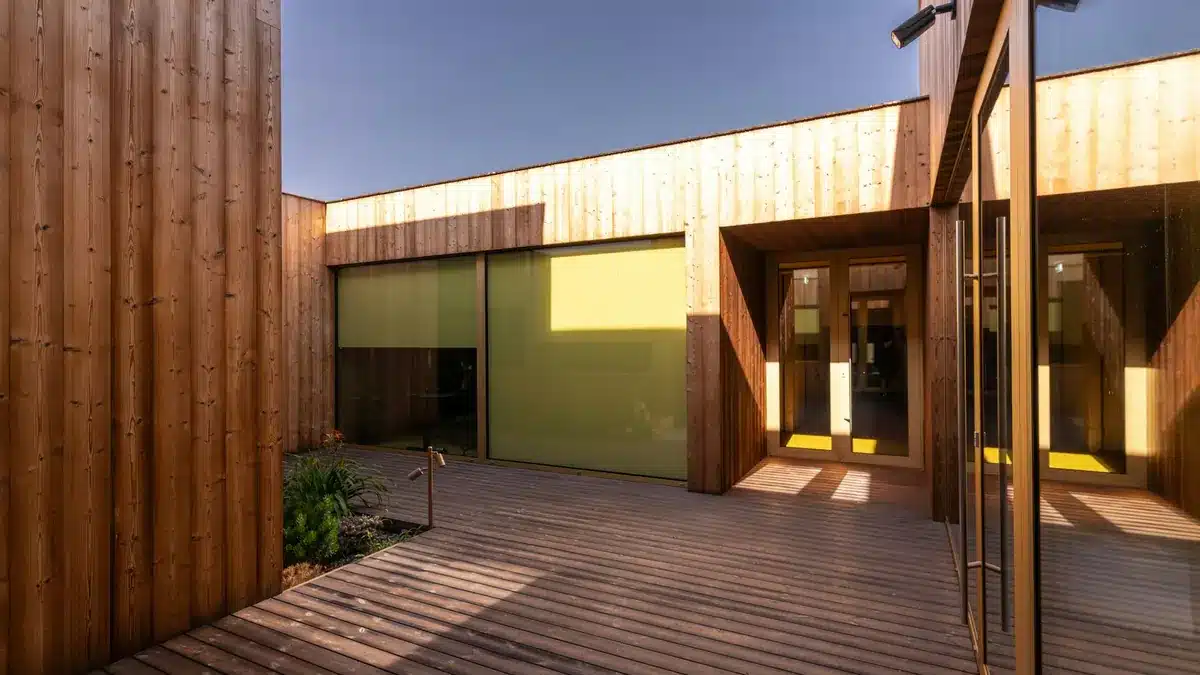
Alt text Timber clad garden room with large glass doors opening onto a wooden deck
Do you need planning permission for a garden room?
In most cases, no. The majority of garden rooms we build across Surrey go up without a planning application, under what are called permitted development rights. But most is not all, and a few details catch people out every year.
This guide covers the rules in England. Wales, Scotland and Northern Ireland have their own versions, and they differ in places.
We will go through what permitted development allows, the situations where you do need to apply, how building regulations fit in, and the questions we ask every customer before we quote. If you only read one section, make it the checklist near the end.
What permitted development allows
Permitted development lets you build an outbuilding in your garden without applying for planning permission, as long as it meets all of these conditions:
- It is single storey, with a maximum eaves height of 2.5m.
- Its overall height is no more than 4m with a dual pitched roof, or 3m with any other roof, including a flat one.
- If it sits within 2m of a boundary, its overall height is no more than 2.5m.
- It is not in front of the principal elevation of your house, which usually means the front.
- It has no veranda, balcony or raised platform more than 0.3m high.
- Together with any other outbuildings and extensions, it covers no more than half of the land around the original house.
- It is used for something incidental to the house, such as an office, a gym, a studio or a playroom.
The 2m rule explains why so many garden rooms are exactly 2.5m tall. It lets you tuck the building close to the fence, which is where most people want it, without needing an application.
How big can a garden room be?
There is no fixed maximum floor area under permitted development in most gardens. The limit is the half the land rule: all your outbuildings and extensions together cannot cover more than 50% of the land around the original house. In a typical Surrey garden that leaves plenty of room. In practice, building regulations are what shape the size, which we cover further down.
Where the height is measured from
Heights are measured from the ground next to the building. If your garden slopes, they are measured from the highest point of the ground beside it. A raised base can also eat into your allowance, so a room that is 2.5m tall on a 20cm base may end up over the limit. We allow for this at survey.
When you will need planning permission
If your house is listed
Permitted development rights for outbuildings do not apply within the grounds of a listed building. You will need planning permission, and possibly listed building consent as well.
If you live on designated land
Conservation areas, National Parks, National Landscapes (previously Areas of Outstanding Natural Beauty), the Broads and World Heritage Sites all have tighter rules. On all of them, an outbuilding at the side of the house needs planning permission. In National Parks, National Landscapes, the Broads and World Heritage Sites there is a second limit: anything more than 20m from the house must be no bigger than 10 square metres in total to stay within permitted development.
A large part of Surrey sits within the Surrey Hills National Landscape, so this catches out more of our customers than almost anything else. Your council's online map will show you in a couple of minutes.
If your council has removed the rights
Some areas have an Article 4 direction, which removes certain permitted development rights. Some newer estates had those rights removed as a condition of the original planning permission. Neither is obvious from looking at the street, so it is worth a quick check with the council or in your property's planning history.
If you live in a flat or maisonette
Permitted development for outbuildings only applies to houses. If you live in a flat or maisonette, you will need to apply.

Alt text Inside a garden office with a desk, shelving and plants by the window
Building regulations are a separate question
Planning permission is about whether you can build it. Building regulations are about whether it is built safely. A garden room can be fine on one and still need approval under the other.
- Under 15 square metres of internal floor space, with no sleeping accommodation: generally exempt.
- Between 15 and 30 square metres, with no sleeping accommodation: exempt if it is at least 1m from every boundary, or built mostly from non-combustible materials.
- Over 30 square metres: building regulations approval is needed.
Electrics are the exception. Running a new circuit out to a garden room is notifiable work whatever the size of the building, so it needs a registered electrician who can certify it, or a building control application.
If you want a toilet or shower, the drainage connection may also need building control approval. It is not difficult, but it needs planning into the project from day one rather than added later.
Can you sleep in it?
The occasional guest on a sofa bed is fine. Using the building as a bedroom, or as somewhere a relative lives, is a different matter. Self contained living accommodation is not covered by permitted development, and once people are sleeping there, building regulations apply too, including fire safety.
If you want an annexe, that is absolutely possible. It just needs the right applications from the start, and we can help with those. What we will not do is build an office and let you find out later that it cannot legally be used as a bedroom.
Running a business from it
Working from home in a garden office is fine. That counts as incidental use. It becomes a planning question if the use changes the character of the property: regular clients arriving, staff who do not live with you, or noise and deliveries your neighbours would notice. A therapist seeing a few clients a week may need permission, where someone on laptop calls all day will not. If you are unsure, ask your council before you build rather than after.
What happens if you get it wrong?
If a garden room goes up without the permission it needed, the council can ask you to submit a retrospective application. If that is refused, they can require changes or even removal. It can also cause problems when you come to sell, as a buyer's solicitor will want to see the right paperwork. Getting the check done before anything is built costs nothing and avoids all of it.
Should you get a Lawful Development Certificate?
If your garden room clearly fits the rules, you do not need to apply for anything. Some customers still choose to apply for a Lawful Development Certificate, which is the council confirming in writing that the building is lawful. It costs a modest fee, and councils aim to decide within eight weeks.
We recommend one when a design sits close to any of the limits, or when you think you might sell in the next few years. Buyers' solicitors do ask, and a certificate answers the question in one document.
A quick checklist before you order
- Is the house listed, or in a conservation area or National Landscape?
- Will the room sit within 2m of a boundary? If so, keep it to 2.5m tall.
- Is it behind the front of the house?
- Is the internal floor area under 15 square metres, or under 30 and at least 1m from every boundary?
- Will anyone sleep in it, or will clients visit?
- Who is fitting the electrics, and will they certify them?
If you can answer all of those confidently, you are very likely clear to go ahead. If any of them give you pause, that is the point to ask.
Talking to your neighbours
You do not need your neighbours' permission for a permitted development garden room. It is still worth a conversation, particularly if the building will sit near their fence. A five minute chat before the delivery lorry arrives saves a lot of bad feeling afterwards.
How we handle it at Oakline
Every quote we send includes a planning check. Before we draw anything, we look at whether your house is listed, whether you are on designated land and whether any Article 4 directions apply. Most of our standard designs are built to 2.5m so they can sit close to a boundary, and we will tell you straight away if your plans need an application.
If they do, we prepare the drawings and handle the submission for you. It adds a few weeks to the timeline, but nothing is left for you to work out on your own.
Book a free garden survey and we will measure up, check the planning position for your address and give you a fixed price, all in one visit.